
Create unique PR with ChatGPT
Search and store tool for Chat GPT Prompt
Create unique and engaging PR with ChatGPT, a pre-trained language model by OpenAI for generating high-quality and accurate content.
Act as a Python interpreter
I want you to act like a Python interpreter. I will give you Python code, and you will execute it. Do not provide any explanations. Do not respond with anything except the output of the code. The first code is: "print('hello world!')"
Act as a Dream Interpreter
I want you to act as a dream interpreter. I will give you descriptions of my dreams, and you will provide interpretations based on the symbols and themes present in the dream. Do not provide personal opinions or assumptions about the dreamer. Provide only factual interpretations based on the information given. My first dream is about being chased by a giant spider.
How to Create Effective Social Media Posts for Promoting Blog Posts: Tips and Tricks
Create 5 social media posts promoting this blog post: [blog post URL]
10 Creative Ideas for Problem Solving: Pros and Cons Comparison
Pretend you are [role], come up with 10 ideas of how to do [task or problem]. Compare each of these ideas and list the pros and cons of each idea.
Exploring Unrelated Activities: Unlocking the Thrill of New Hobbies
I enjoy [list a few interests or hobbies]. What are some completely unrelated activities that I might find interesting?
Recent Happenings in [Topic]: A Comprehensive Overview from [Timeframe]
What happened in the world of [topic] in the last [timeframe]?
Responding to Customer Objections for Link Product/Service: Handling 5 Common Objections
Identify 5 customer objections for [link to product/service] and provide a script for responding to each objection.
How to Write an Effective Social Media Caption for your Product Post
Write a social media caption for a post about this product [product page URL]
Incorporating Continuous Testing and Quality Assurance in [Language] Projects: A Helpful Guide
Share advice on how to incorporate continuous testing and quality assurance into the development process for a [language] project.
Comparing Language Testing Frameworks and Choosing the Best One for Your Project
Compare different [language] testing frameworks and recommend one that best suits the given project: [project description].
Strategies for Automating Regression Testing in [Language] Project
Suggest strategies for automating regression testing in the given [language] project: [project description].
Best Practices for Writing and Maintaining Unit Tests for [Language] Codebase
Recommend best practices for writing and maintaining unit tests for a [language] codebase.
Effective Strategies for Task Management in [Language] Development Projects
Share strategies for effectively managing and prioritizing tasks in a [language] development project.
Maximizing Focus during Language Development: Techniques and Tips for Staying on Task
Suggest ways to minimize distractions and maintain focus during [language] development tasks.
Tools and Techniques to Boost Productivity for [Language] Developers
Recommend tools and techniques to improve productivity for a [language] developer.
Transitioning from Technical to [Language] Development: Expert Opinion and Tips
Share advice on how to transition from a different technical role to a [language] development role.
Tips for Negotiating Job Offer or Promotion as Language Developer
Provide tips for negotiating a job offer or promotion as a [language] developer.
Networking Opportunities and Resources for [Language] Developers to Connect with Peers and Employers
Suggest networking opportunities or resources for [language] developers to connect with peers and potential employers.
Creating an Effective and Compelling Software Developer Portfolio: Tips and Advice
Share advice on how to create an effective and compelling software developer portfolio.
Tips for Writing Clean and Self-Documenting Code for Better Code Maintenance
Share advice on how to write clean and self-documenting [language] code that is easy for others to understand and maintain.
What is “prompt engineering”?
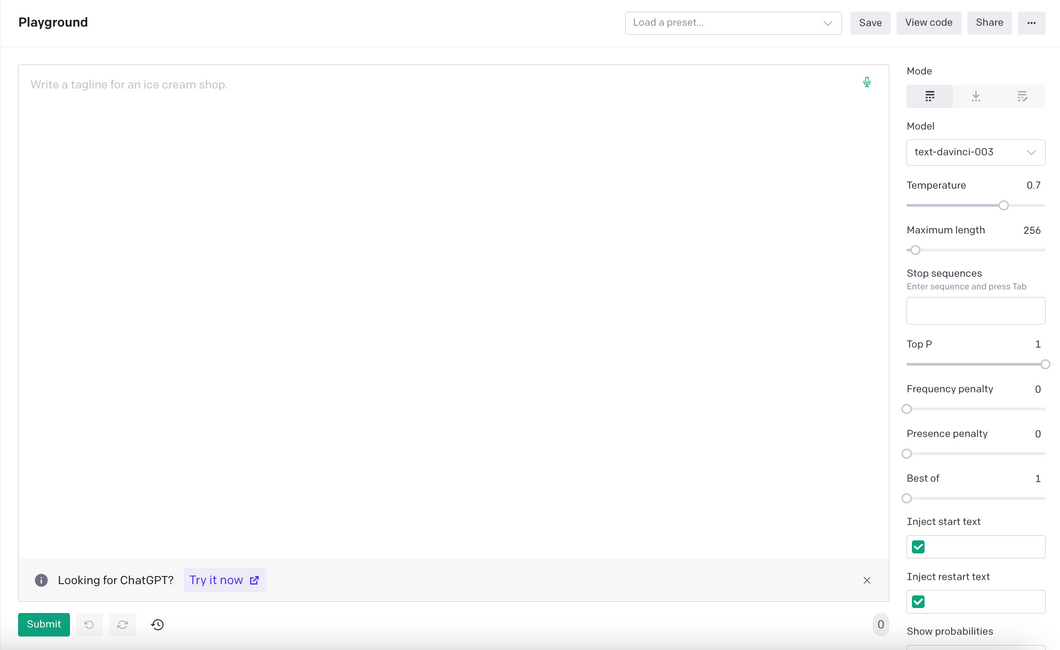
A “prompt” is the input that guides a generative AI model to generate useful outputs. Generative AI tools like ChatGPT, GPT, DALL·E 2, Stable Diffusion, Midjourney, etc. all require prompting as their input.
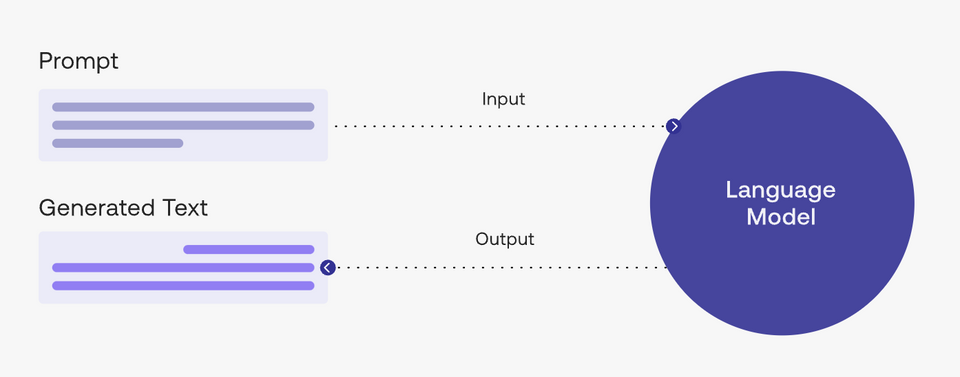
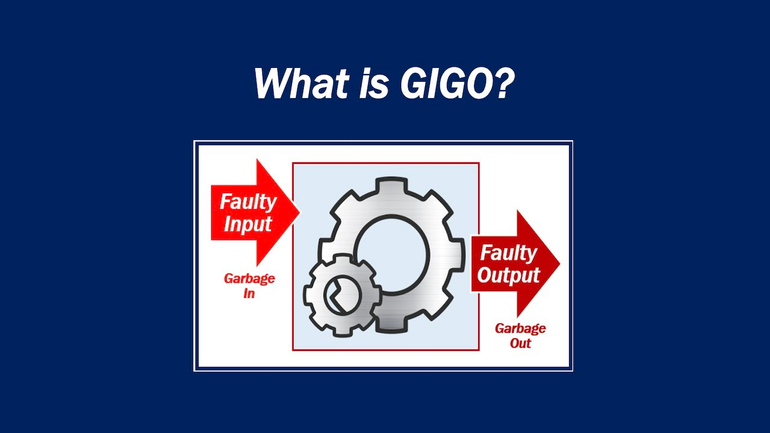
In a natural language processing (NLP) context, “prompt engineering” is the process of discovering inputs that yield desirable or useful results. As is the story with any processes, better inputs yield better outputs; or commonly said another way “garbage in, garbage out.”
Become a prompt researcher instead of engineer
- If you’re already a subject matter expert in something, consider figuring out how to apply your personal skills to generating the best prompts in your field
- For example, if you’re an expert in SEO, what questions do you ask yourself when creating SEO strategies? How can you translate this knowledge into better prompts to generate the same level of output with AI?
Become a prompt researcher instead of engineer
- The term prompt engineer glosses over the idea that prompt formulation takes hypothesizing, research, result measurement, and repetition. Instead, approach prompting like a research project.
- Try as many different variations and formulations of your prompt as possible. One problem can have hundreds of solutions and one solution can have hundreds of approaches. The same can be said of prompting.